Skip to main content 👋 Hello there!
Free Estimate

Sod Installation

Want a perfect lawn today? Make it happen with sod installation. 

Sod v. Seed

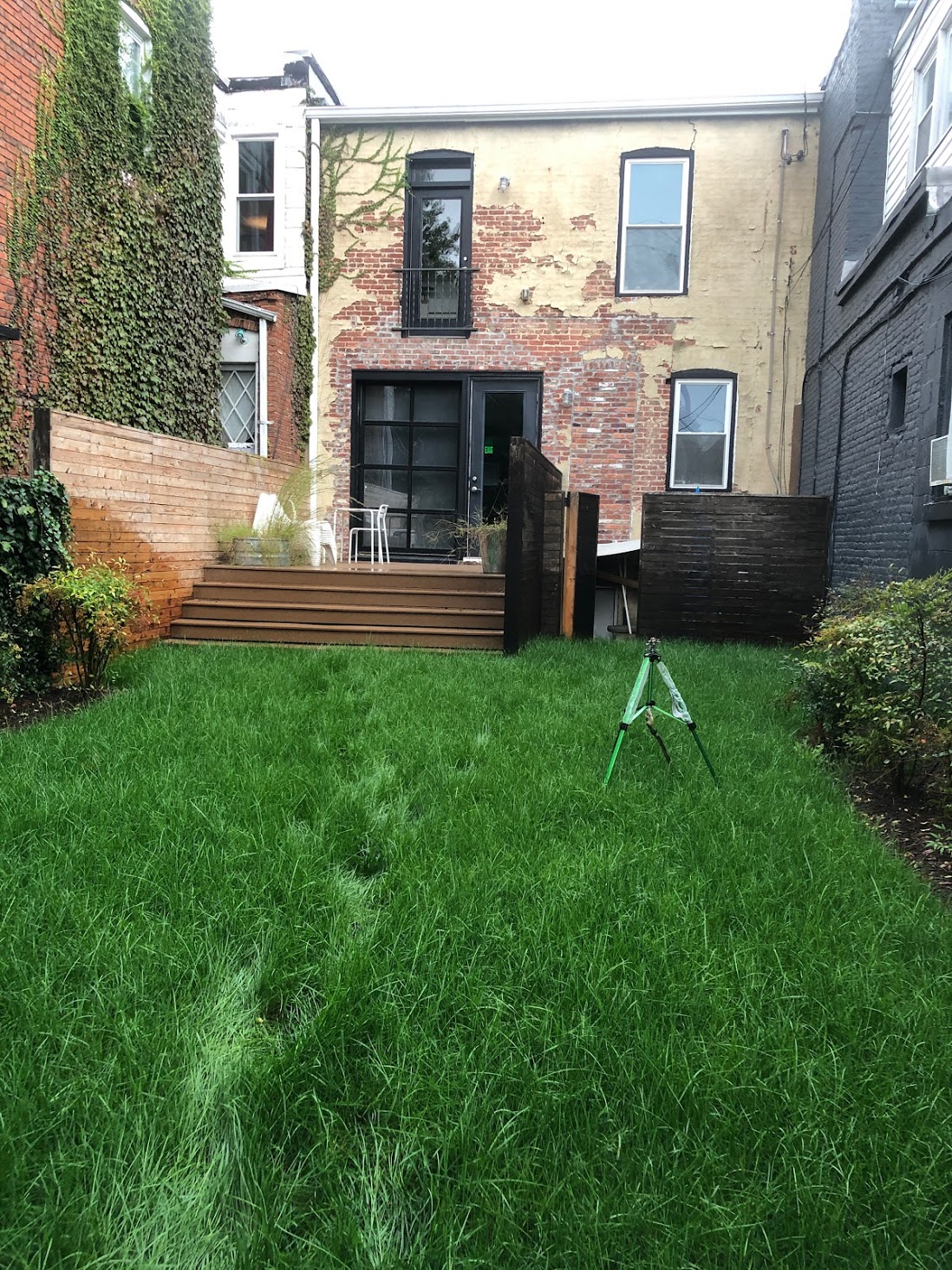
Sod installation is the best way to obtain an immediately pristine lawn. There are several advantages the sod installation has over seeding. First, the immediate satisfaction and perfect green look. Second, there is no touch up or revisit work. And last, you can use the lawn for light traffic directly after installation, however, the minimal traffic is best.

Preparation

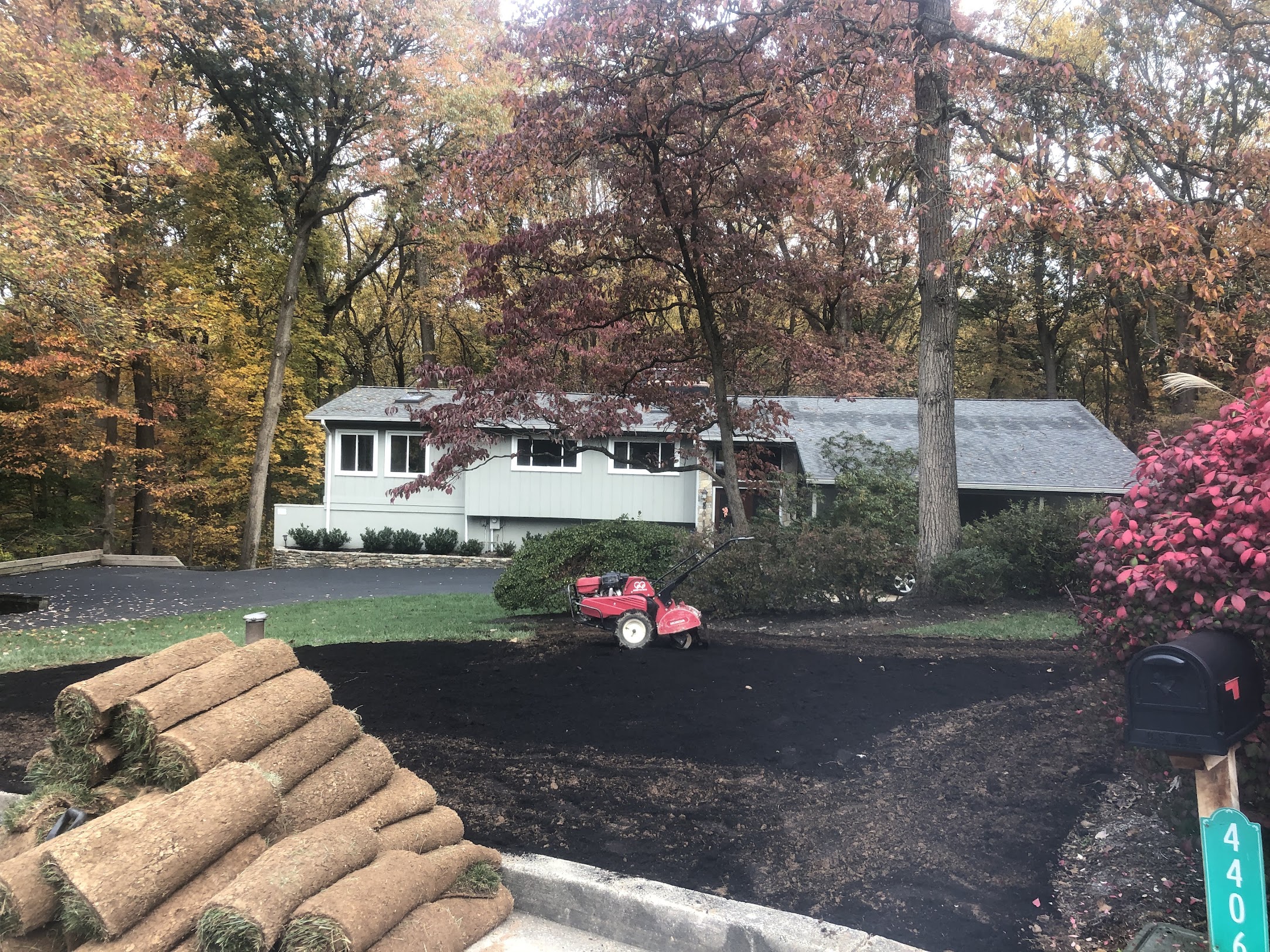
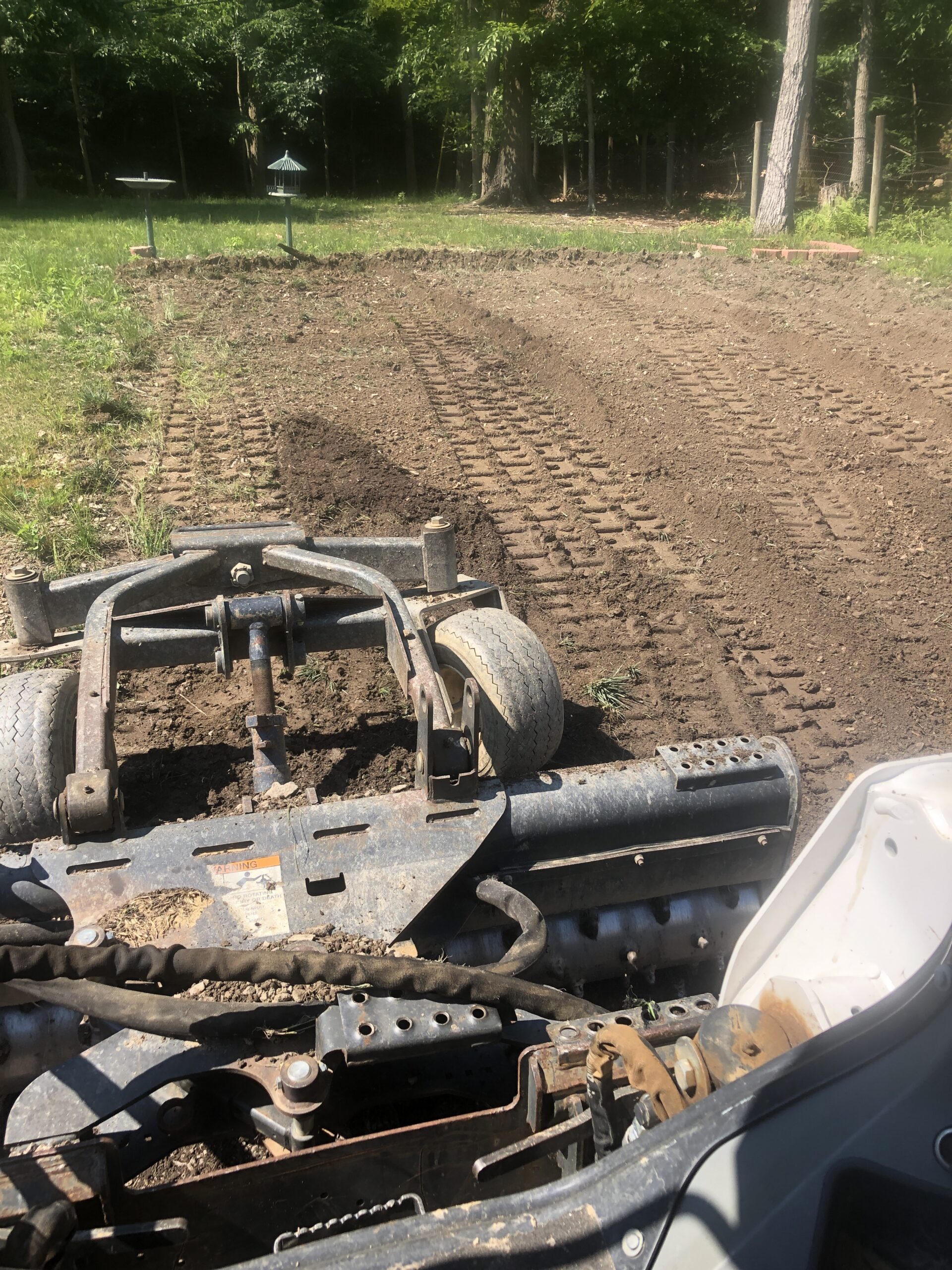
Before starting a sod installation project, it is important to prep the site. Site prep will look different for each sod installation depending on the demands of the site. For example, why is sod installation needed? If the existing lawn was decimated by a pest, it is necessary to address the underlying pest problem before spending money on a sod installation. However, for new construction, site prep may be as simple as grading and smoothing the existing soil before install. A properly prepped site will have a smooth finish grade, be clear of major pieces of debris, free of pests, and have soil that is conducive for growing grass.


Installation

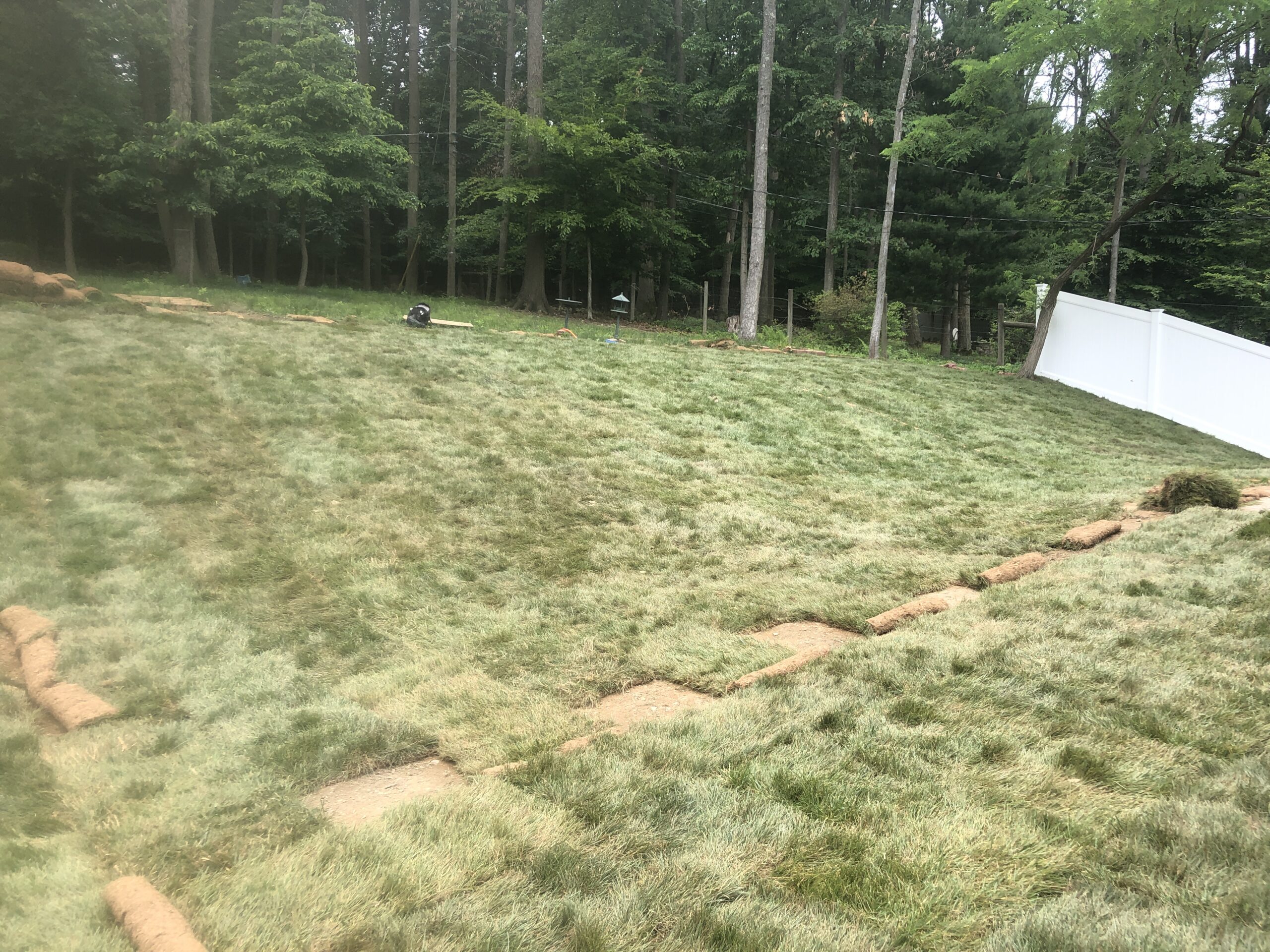
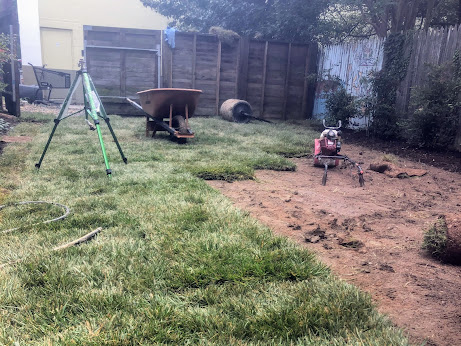
After the site is prepped, fresh rolls of sod are unloaded and rolled out onto the soil. For jobs larger than 200 square feet, sod is purchased freshly cut direct from the farm a few days prior to the sod installation. Pieces of sod are laid staggered in a typical brick pattern so that the seams between the rolls do not align. This helps “lock” the pieces into place. When sod is installed on a slope, pieces are laid parallel with the grade to minimize any sliding that may occur due to gravity. On especially steep sites, landscape staples are used to fasten the sod into place.

Nurture Your Investment

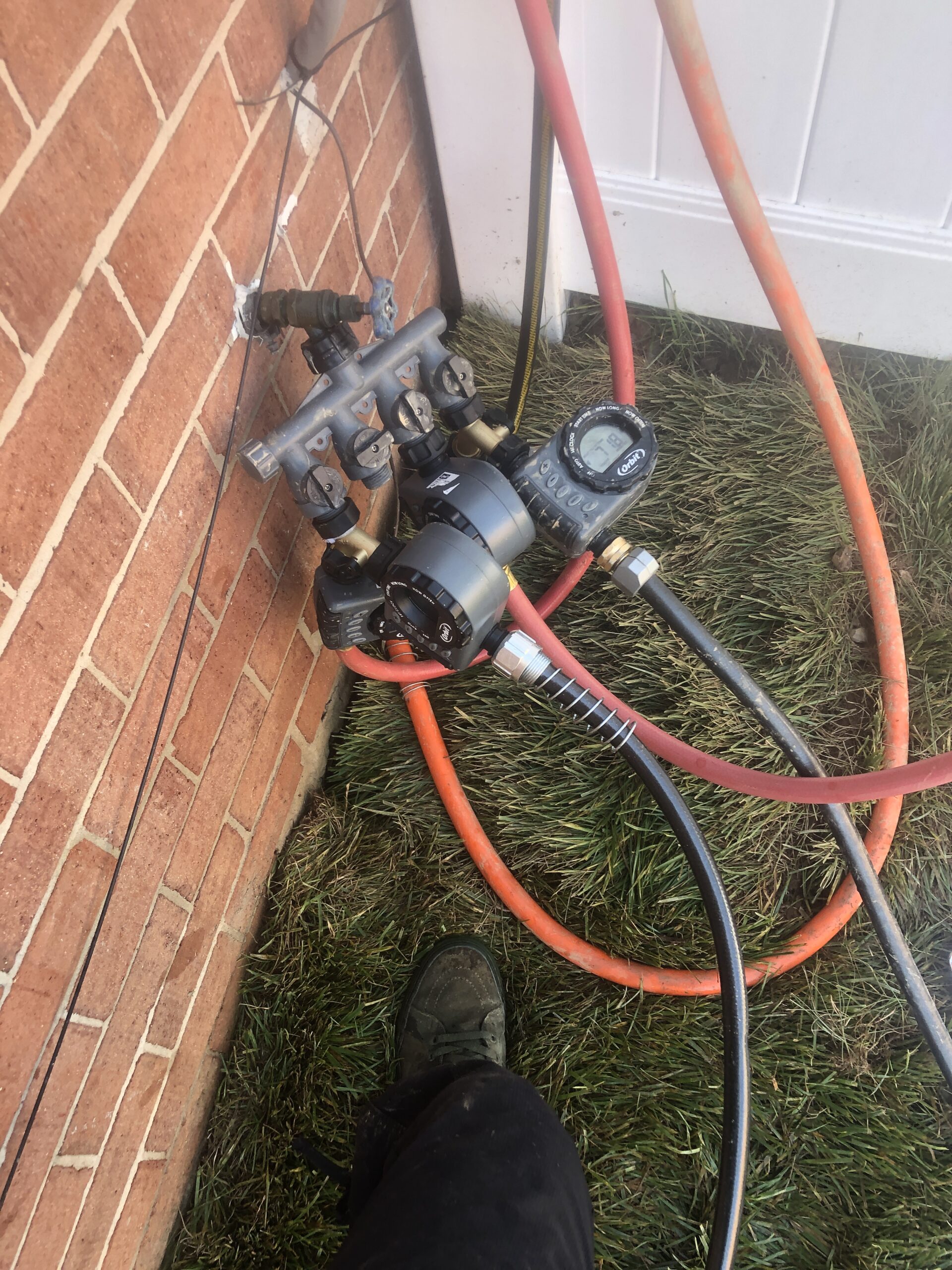
Once the sod installation is complete, care and maintenance are mandatory for the success of the project. Keep in mind, this grass just had all of its roots severed, was rolled up and transported on a highway, then is unrolled in a new environment with out any roots securing it in place. This puts a lot of stress on the new sod to say the least. Water the sod immediately after installation. Generally, we suggest watering for 20-40 minutes each morning for one week after a new sod installation. After that, slowly ween the sod off of irrigation. In the second week, reduce irrigation to 20-40 minutes every other morning. Finally, in the third week and every week after until the end of the growing season, water the new sod for 20-40 minutes two mornings each week. Personally, we prefer Wednesday and Saturday because it is easy to remember. Just try to maintain equal amounts of time between waterings. An automatic timer makes this task very easy. That’s right, for the best result, the new sod installation should be irrigated for an entire growing season. Again, remember that this is brand new grass that just endured a lot of stress. In addition to this watering regiment, there are some other special rules. If the temperature for the day exceeds 90F be sure to water the lawn twice that day, once in the morning, and then for a short time around noon.

The First Cut

The new sod will not need to be mowed until the roots are established. Above ground growth is proportional and a good indicator for underground growth. Wait until the sod has reached a height of at least 6 inches before mowing. Gently pull on the sod to ensure that the roots have grown down into the soil. When mowing, no more than 2/3 of the grass blade should be removed. Therefore, if the sod is 6 inches tall, it should be mowed to a height of 4 inches. Avoid heavy foot traffic or play where the sod was installed until after the first mowing.

Best Time to Install

Since sod is sensitive to heat, we do not encourage sod installation in the summer. Fall and winter are ideal times for installation with spring being a close second. That being said, summer sod installation is possible and we have even completed projects as large as 11,000 square feet in July. If a sod installation must happen during summer, irrigation is imperative and should not be taken lightly. If sod installation is out of the budget, sowing grass seed is a lower cost alternative. However, the results will not be as uniform, more care and maintenance are needed during establishment, and touch up work is almost always required to fill in areas where seed did not take.